
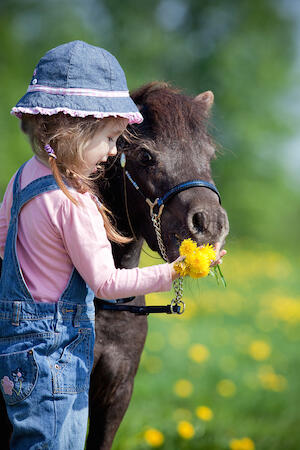

The horse is a large, majestic mammal that has been domesticated by humans for thousands of years. These animals have played an important role in human history, serving as transportation, work animals, and even as Horse Nutrition partners in sports and leisure activities. Today, horses continue to be a beloved animal, with many people keeping them as pets, riding them for fun and exercise, or using them for competitive sports such as horse racing or show jumping.
Horses come in a variety of breeds, each with its unique characteristics and abilities. Some breeds are best suited for work, while others excel in sports or leisure activities. For example, the Clydesdale breed is well known for its strength and ability to pull heavy loads, while the Thoroughbred breed is famous for its speed and agility in horse racing.
Horses are herbivores, meaning that they eat only plants. Their diet typically consists of grasses, hay, and grains. They have a unique digestive system that allows them to efficiently break down tough plant fibers and extract the nutrients they need to survive.
In the wild, horses are social animals that live in herds. They communicate with each other through a variety of sounds, body language, and scents. When a horse is born, it will typically stay with its mother for several months before joining a herd. Within the herd, horses form strong bonds with each other, often grooming and playing together.
Humans have been domesticating horses for thousands of years. In the early days, horses were primarily used for transportation and work. They were used to pull carts and plows, as well as for riding. Over time, people began to breed horses for specific purposes, such as racing or war.
Today, horses are kept for a variety of reasons. Many people keep horses as pets, enjoying their company and caring for them. Others ride horses for fun and exercise, taking part in activities such as trail riding or dressage. Horses are also used in competitive sports, such as horse racing, show jumping, and rodeo.
One of the most well-known uses of horses is in horse racing. Horse racing is a sport that involves running horses at high speeds around a track. The sport has a long history, with some of the first recorded horse races dating back to ancient Greece. Today, horse racing is a popular sport around the world, with events such as the Kentucky Derby and Royal Ascot drawing large crowds of spectators.
Another popular use of horses is in show jumping. Show jumping is a sport that involves jumping horses over a series of obstacles, such as fences and water jumps. The sport requires both the horse and rider to have excellent coordination, agility, and timing. Show jumping competitions can range from local shows to international events, with some of the top riders and horses competing in the Olympic Games.
In addition to sports, horses are also used for therapeutic purposes. Equine therapy, also known as horse therapy, is a type of therapy that involves interacting with horses to promote physical, emotional, and mental health. The therapy can be used to treat a variety of conditions, such as autism, anxiety, and PTSD.
In conclusion, the horse is a magnificent animal that has played an important role in human history. From transportation and work to sports and leisure, horses continue to be a beloved animal around the world. Whether used for racing, show jumping, or therapy, horses are appreciated for their strength, beauty, and companionship.
Proper nutrition is vital for the overall health and well-being of horses. Horses are herbivores with a specialized digestive system that requires a specific diet to meet their nutritional needs. In this article, we will explore horse food and supplements, highlighting the importance of balanced nutrition for these magnificent creatures.
Horse Food:
Horses have unique dietary requirements, primarily due to their digestive system, which is designed for continuous grazing. The foundation of a horse's diet is forage, typically in the form of pasture grass or hay. Forage provides essential nutrients, including fiber, protein, vitamins, and minerals. It is important to ensure that the forage is of good quality, as poor-quality forage can result in nutrient deficiencies.
In addition to forage, horses may require concentrated feed to meet their energy and nutrient demands. Concentrated feed includes grains, such as oats, barley, and corn, and may be in the form of pellets, textured feeds, or sweet feeds. These feeds are formulated to provide additional calories, protein, vitamins, and minerals. The type and amount of concentrated feed required depend on factors such as the horse's age, activity level, and overall health.
Supplements:
Supplements play a significant role in supporting a horse's overall health and performance. While a well-balanced diet should provide most of the necessary nutrients, certain situations may call for supplementation. Here are some common types of horse supplements:
Vitamin and Mineral Supplements: These supplements are used to ensure horses receive adequate amounts of essential vitamins and minerals. They can be particularly beneficial for horses on limited or poor-quality forage, or those with specific nutritional deficiencies.
Joint Supplements: Joint health is crucial for horses, especially those involved in athletic activities. Joint supplements often contain ingredients like glucosamine and chondroitin, which support joint mobility and reduce the risk of joint-related issues.
Hoof Supplements: Hoof health is essential for a horse's overall soundness. Hoof supplements typically contain biotin, amino acids, and minerals like zinc and copper, which promote hoof strength and growth.
Digestive Supplements: These supplements aid in maintaining a healthy digestive system. Probiotics and prebiotics are commonly used to support gut health and improve nutrient absorption.
Electrolyte Supplements: Horses can lose significant amounts of electrolytes, such as sodium, potassium, and chloride, through sweat. Electrolyte supplements help replenish these essential minerals, particularly during hot weather or intense exercise.
It is important to note that supplements should be used judiciously and under the guidance of a veterinarian or equine nutritionist. They should not be seen as a substitute for a balanced diet but rather as a complementary tool to address specific needs or deficiencies.
Feeding Practices and Considerations:
When it comes to feeding horses, several factors should be considered:
Body Condition: The body condition of a horse should be regularly assessed to ensure appropriate feeding. Horses that are underweight may require increased caloric intake, while overweight horses may need a more restricted diet.
Weight and Activity Level: The weight and activity level of a horse dictate its energy requirements. Performance horses or those in heavy work may need higher-calorie diets, while horses at maintenance or light work levels may require fewer calories.
Water Availability: Access to clean, fresh water is essential for horses at all times. Horses should have ample water available to prevent dehydration and aid in digestion.
Feeding Schedule: Establishing a consistent feeding schedule is beneficial for horses, as they thrive on routine. Regular meals and grazing periods help maintain a healthy digestive system.
DO WE USE COOKIES
To upgrade your online experience we utilize treats. Treats are little documents that are exchanged by the site from the hard circle of the client’s PC. These documents give a bit of individual data about you or your inclinations.We likewise utilize outsider ads on to help our site. A portion of these sponsors may utilize innovation, for example, treats and web signals when they publicize on our website, which will likewise send these promoters, (for example, Google through the Google AdSense program) data including your IP address, your ISP, the program you used to visit our webpage, and at times, regardless of whether you have Flash introduced.
WILL THIRD PARTY FOLLOW YOUR PRIVACY POLICY
At times, at our site, we may utilize connections to different sites. These outsider connections are given exclusively to give more data on points that might be helpful to the clients. These outsider locales have discrete and autonomous security strategies. When you go to another site from our site, our Privacy Policy is never again in actuality. Thus, we have no duty or obligation for the substance given by these outsider sites.
HOW WE USE YOUR INFORMATION
we don’t, offer, exchange, or lease Users individual distinctive verification information to others. We may share non-selective totaled statistic information not associated with any individual conspicuous confirmation information concerning visitors and customers with our business accomplices, confided in branches and backer for the reason spread out above.
Uncommon NOTE FOR GOOGLE PRIVATE POLICY
Any notices served by Google, Inc. what’s more, subsidiary organizations might be controlled utilizing treats. These treats enable Google to show advertisements in view of your visits to this site and different locales that utilization Google publicizing administrations. Figure out how to quit Google’s treat utilization. As said over, any following done by Google through treats and different components is liable to Google’s own protection approaches.
Double tap DART COOKIE
· ü Google, as an outsider merchant, utilizes treats to serve promotions on
· ü Google’s utilization of the DART treat empowers it to serve advertisements to our website’s guests in view of their visit to and different locales on the Internet.
· ü Users may quit the utilization of the DART treat by visiting the Google advertisement and substance arrange security strategy at the accompanying URL .


